

Loft Conversions | Portsmouth & Hampshire
Add Bedrooms Without Losing Garden
Working towards
ISO 9001
Standards
Which Loft Conversion Suits Your Home?
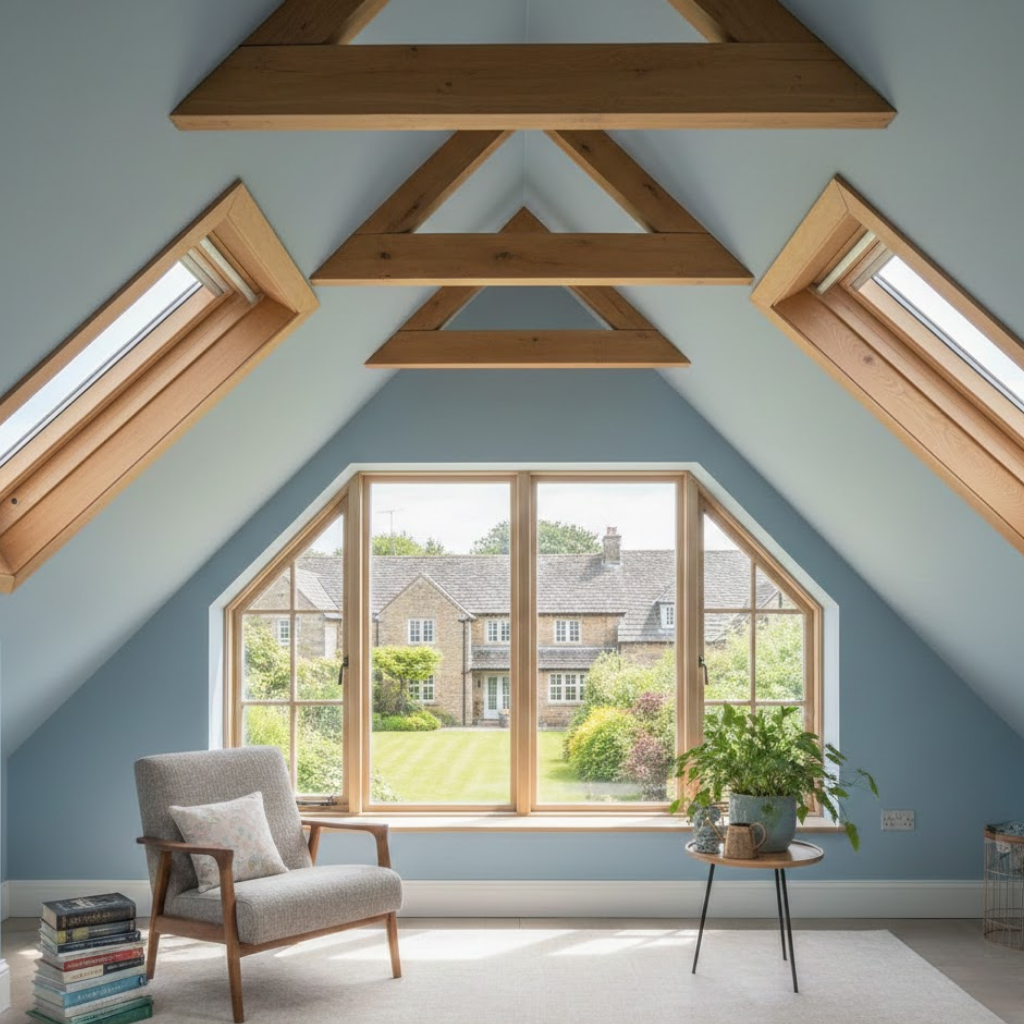
Velux (Roof Light) Conversions
Best for: Good head height, budget-conscious, conservation areas
Typical space: 1-2 bedrooms + bathroom
Timeline: 6-8 weeks | Investment: £35,000-£50,000
Planning: Usually not required
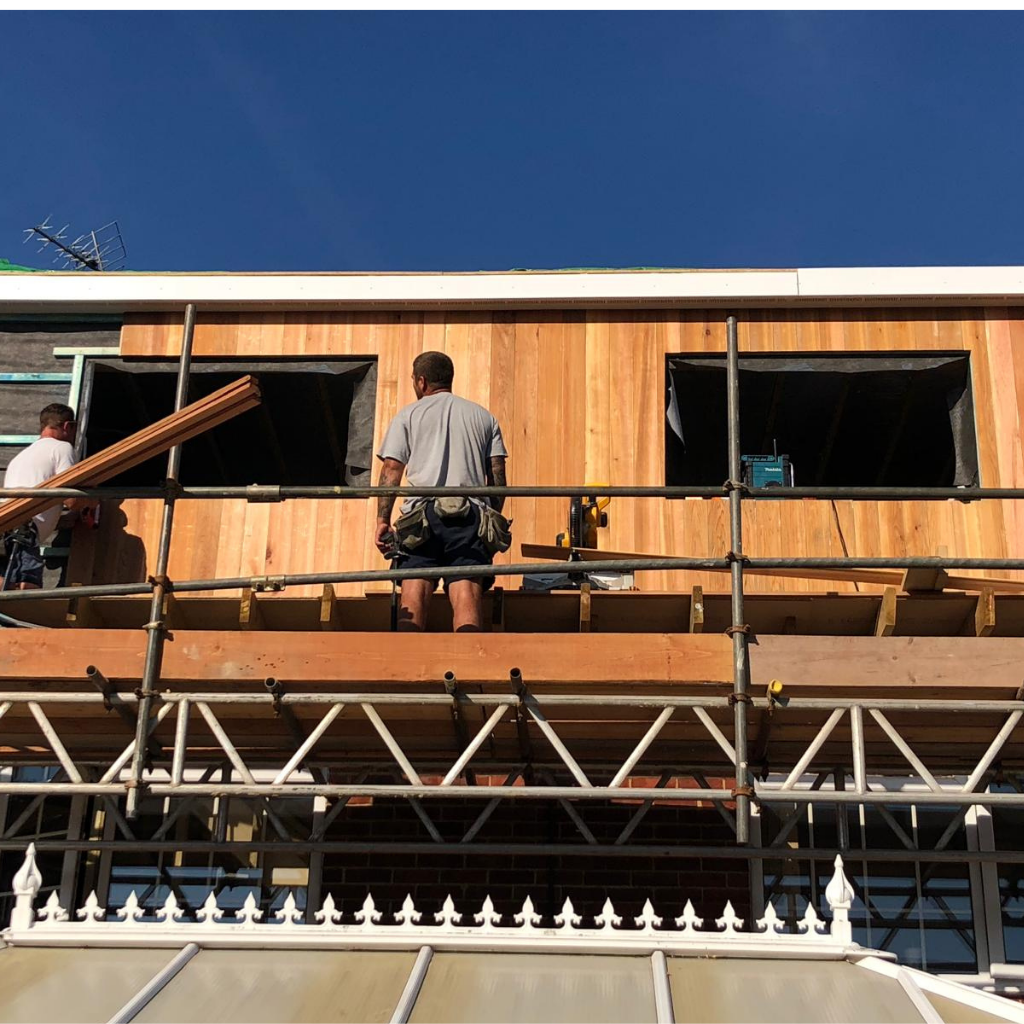
Rear Dormer Conversions
Best for: Maximum space, growing families, home offices
Typical space: 1-2 large bedrooms + en-suite
Timeline: 8-10 weeks | Investment: £45,000-£65,000
Planning: Usually not required under PD
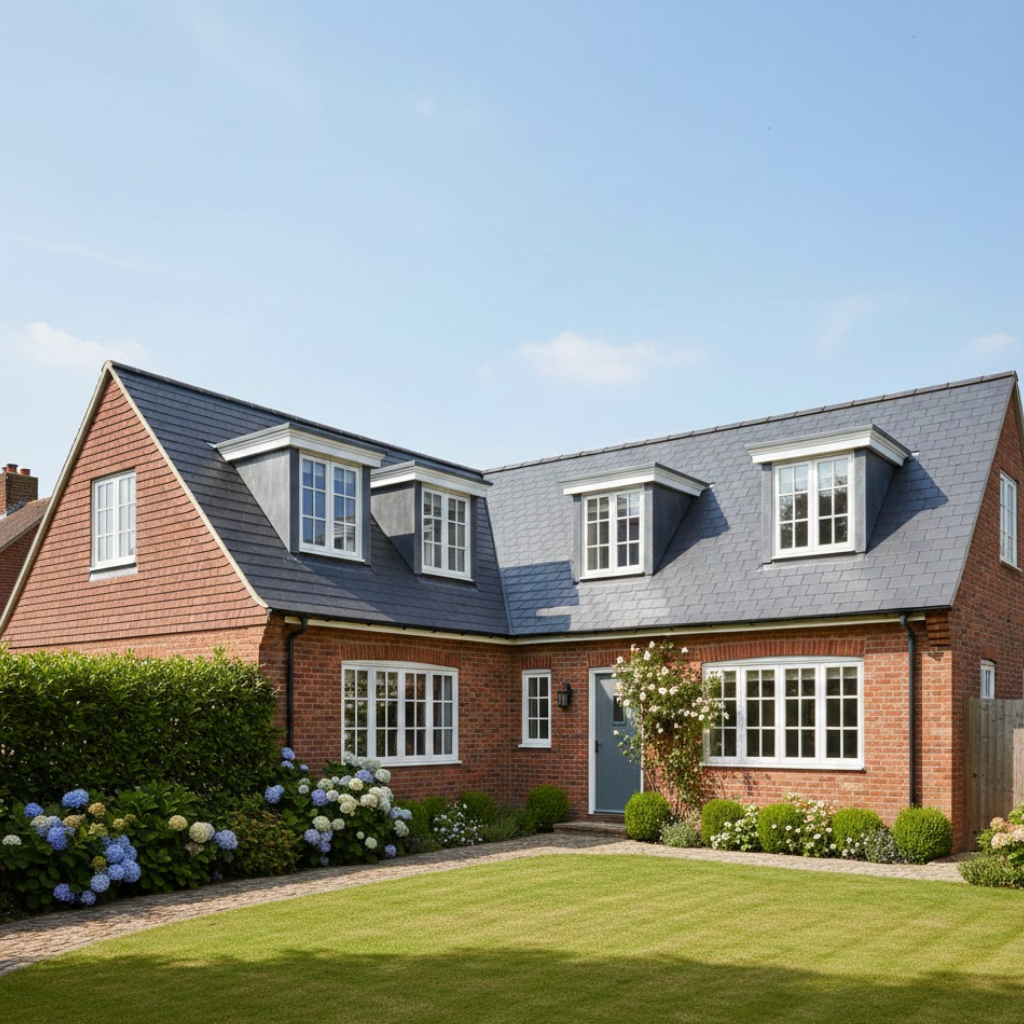
L-Shaped Dormer Conversions
Best for: Large lofts, master suite conversions
Typical space: Master bedroom + en-suite + dressing room
Timeline: 10-12 weeks | Investment: £55,000-£80,000
Planning: May require planning permission
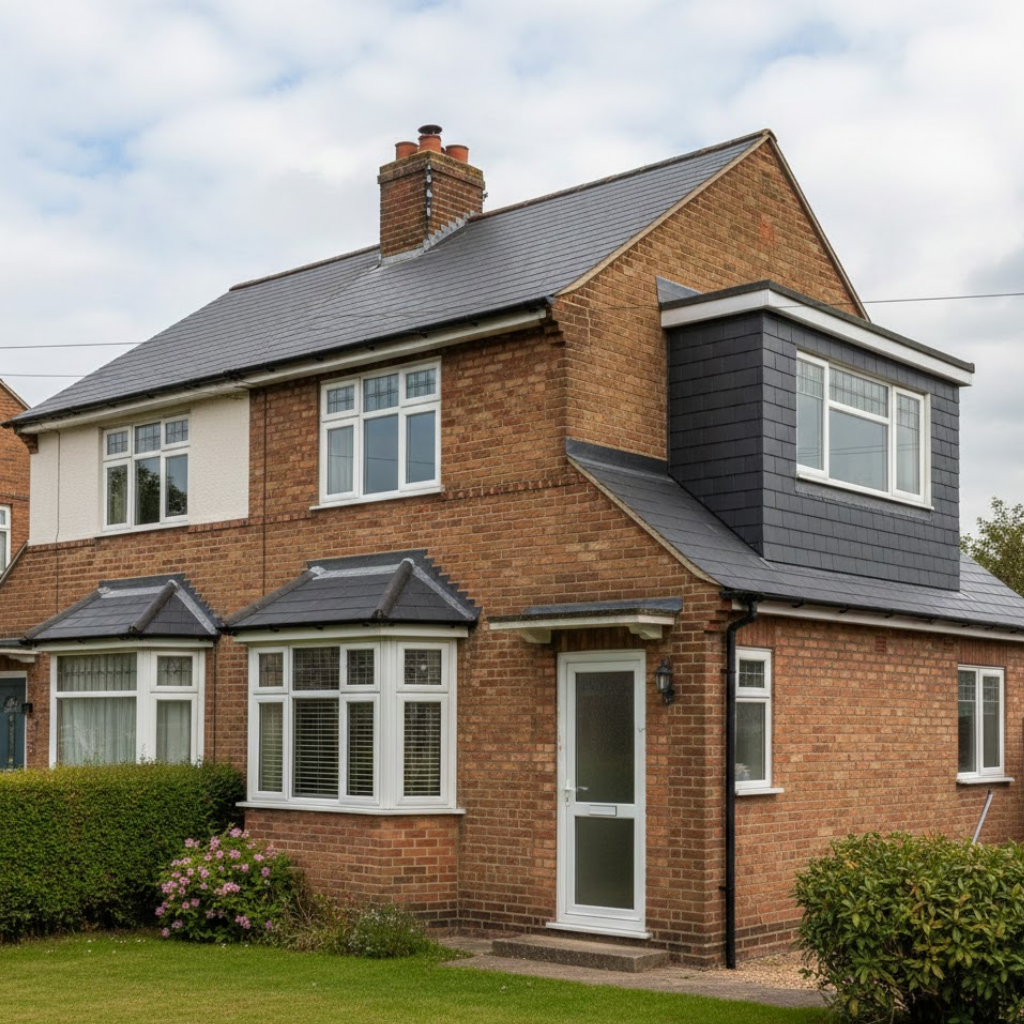
Hip-to-Gable Conversions
Best for: Hipped roof properties, semis, detached houses
Typical space: 2 bedrooms + bathroom
Timeline: 10-12 weeks | Investment: £55,000-£75,000
Planning: Usually required
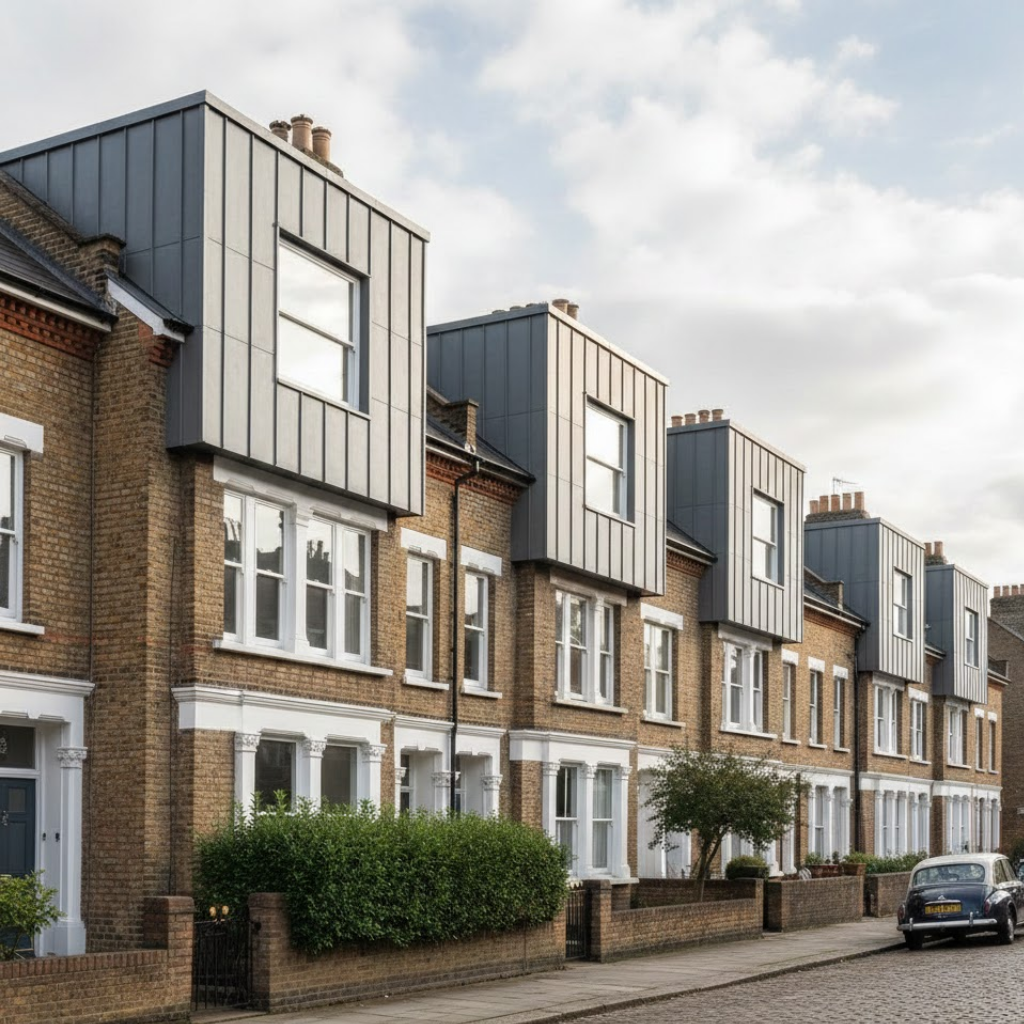
Mansard Conversions
Best for: Victorian properties, maximum space, complete roof renewal
Typical space: 2 large bedrooms + bathroom
Timeline: 12-14 weeks | Investment: £65,000-£90,000
Planning: Usually required
Building Regulations Made Simple
Structural Stability
• Floor joists must support bedroom use (not just storage)
• Roof structure must remain stable after alterations
• Steel beams often required for load distribution
Fire Safety
• 30-minute fire-resistant doors to all habitable rooms
• Fire-resistant enclosure around staircase
• Smoke alarms on each floor
• Escape windows or protected stairway to final exit
Stairs
• Maximum pitch, minimum headroom, handrail requirements
• Must provide safe escape route
Insulation & Energy
• Roof insulation to current standards (typically 270mm equivalent)
• U-value compliance for walls and roof
Sound Insulation
• Between loft conversion and rooms below
• Between loft rooms (if party wall with neighbours)
Crown’s approach:
We coordinate all Building Control inspections and submissions. You
don’t need to understand every regulation – we handle compliance and ensure your
conversion meets all requirements.
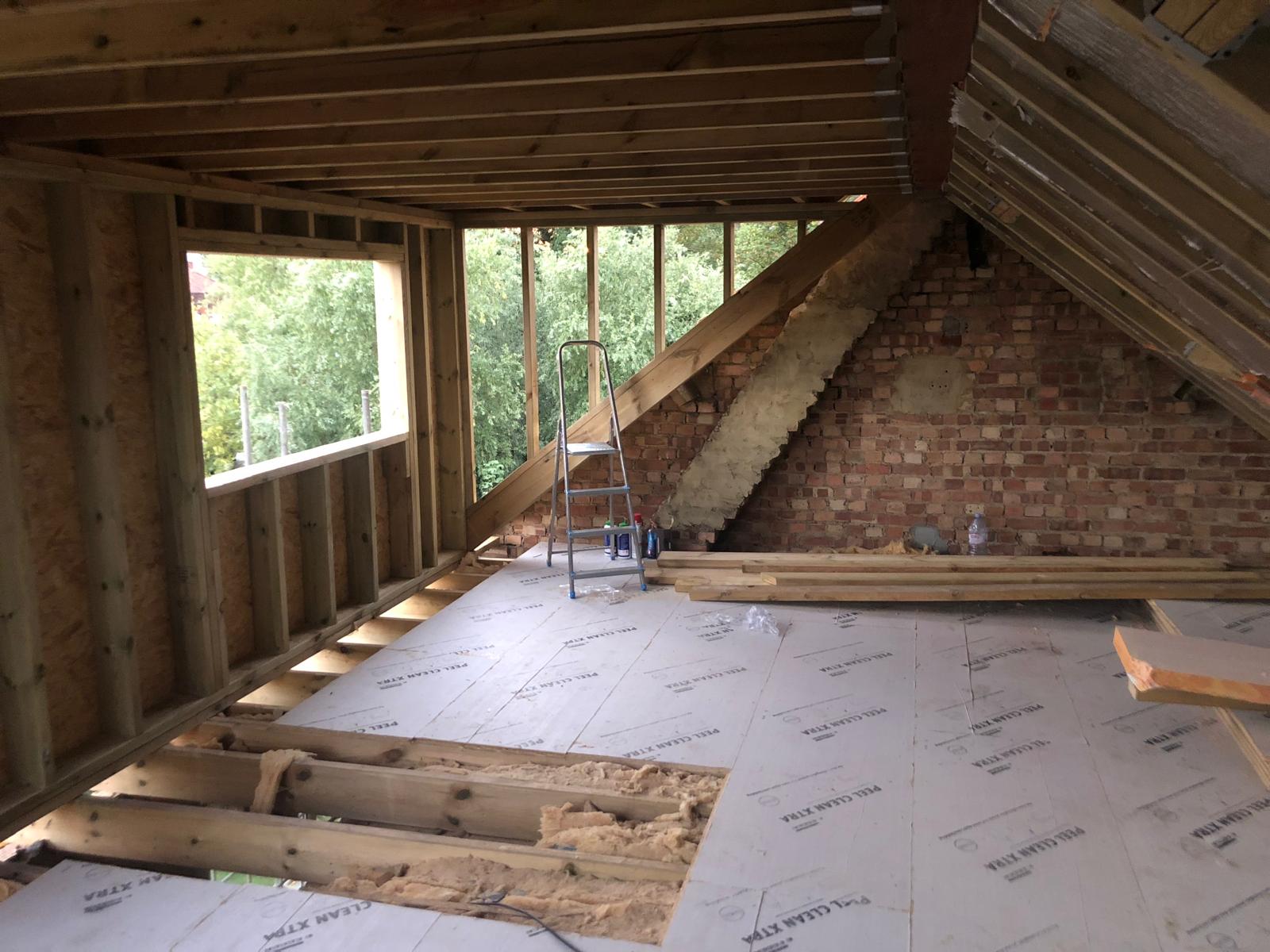
Why Structural Engineering Matters
Common Structural Requirements
- New floor joists alongside existing (doubling up)
- Steel beams to support roof loads around dormers
- Steel ridge beams for hip-to-gable conversions
- Padstones and bearing calculations for steelwork
Crown’s approach: We engage structural engineers during the design phase, not after you’ve committed. This means accurate pricing, no surprises, and drawings ready for Building Control from day one.
FAQ Questions
Frequently Asked Questions
Most lofts can be converted, but the key factor is head height. You need a minimum of 2.2m
from the top of the floor joists to the underside of the ridge. Our free loft assessment will
confirm suitability and recommend the best conversion type.
Many loft conversions fall under Permitted Development, meaning no planning application
required. However, you'll need permission if you're in a conservation area, extending beyond
certain limits, or in a Listed building. We'll advise during your assessment.
If your loft conversion involves work on or near a shared wall with neighbours (most terraces
and semis), you'll likely need a Party Wall Agreement. We can recommend specialist
surveyors and coordinate the process.
Typical timelines range from 6-14 weeks depending on conversion type. Velux conversions
are fastest (6-8 weeks); mansard conversions take longest (12-14 weeks). We complete most
rear dormer conversions in 8-10 weeks.
Yes. Most of the work happens in the loft and on the roof. You'll experience some noise and
dust, but we install dust sheets and maintain access to your home throughout. The staircase
installation (usually 1-2 days) causes the most internal disruption.
On average, a well-executed loft conversion adds 20-25% to property value. In Portsmouth,
Southampton, and Winchester, where property prices are strong, loft conversions typically
deliver excellent ROI. We can provide market comparable data during your consultation.